Religious Traditions Can Stay Meaningful With Cremation Care
For many families, faith shapes how we understand loss, remembrance, and the way we say goodbye. That can raise an important question when considering direct cremation Midwest City, OK: can religious traditions still remain part of the experience? In many situations, yes. Choosing a simpler cremation arrangement does not automatically mean giving up prayers, readings, blessings, gatherings, or other meaningful expressions of faith. It simply changes when and how some traditions may take place.
Every religion, congregation, and family approaches end-of-life customs differently, so we should never assume that one practice works for everyone. When families speak with Oklahoma City Cremation, they can consider how their beliefs fit alongside their chosen arrangements. A thoughtful approach gives us room to respect religious convictions while creating a farewell that reflects the person, the family, and the traditions that have brought them comfort throughout life.
Faith Can Remain Central
Direct arrangements primarily describe how physical care is handled. They do not determine what a family must believe, how relatives should grieve, or whether spiritual practices can continue. This distinction matters because families sometimes worry that selecting a straightforward arrangement means they must abandon the ceremonial side of saying goodbye.
We can still make faith an important part of remembrance. Depending on our beliefs, that might involve prayer with close relatives, a clergy-led gathering, scripture or sacred readings, music, meditation, or words drawn from a family's religious heritage. Some traditions may take place before the cremation, while others may be more appropriate afterward.
The key is identifying which customs matter most and discussing them early. If a particular prayer, blessing, clergy presence, or timing requirement is important, we should communicate that preference while arrangements are being made. Religious leaders can also provide guidance when a family is unsure how established teachings apply to cremation.
Faith is not defined by the size or formality of a ceremony. For many families, its meaning comes from intention, shared belief, and the opportunity to honor someone according to deeply held values.
Memorials Offer Meaningful Flexibility
A memorial does not always need to happen immediately. One of the practical benefits of a simpler arrangement is that families may have greater freedom to choose when loved ones gather. This can be especially helpful when relatives, clergy members, or close friends need time to travel.
Families can create a religious memorial at a church, chapel, family gathering place, or another setting that feels appropriate. A service might include favorite hymns, prayers, passages from sacred texts, a message from a spiritual leader, or personal reflections from relatives. Our choices can reflect both religious tradition and the individual life being remembered.
This flexibility can make meaningful memorial services possible without requiring every part of the farewell to occur at the same time. Instead of feeling rushed, we can thoughtfully consider which elements will provide comfort and connection.
Families may also combine established religious customs with personal touches. A familiar hymn might be paired with family stories, photographs, cherished readings, or a shared meal. These details can help a gathering feel personal while preserving the spiritual traditions that have long mattered to the family.
Clergy Can Help Guide Decisions
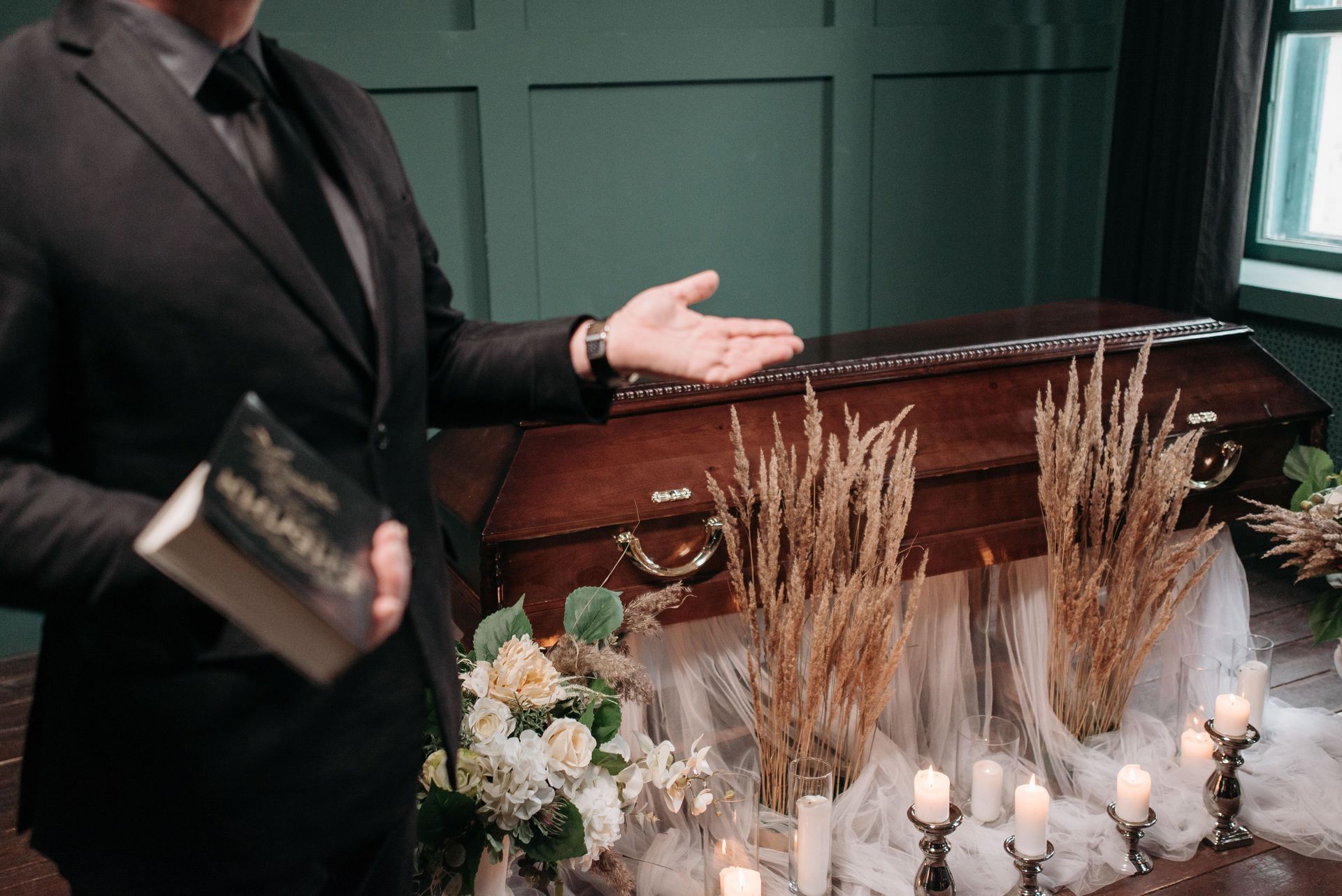
When religious requirements are important, speaking with a pastor, priest, rabbi, imam, chaplain, or another faith leader can be valuable. Religious teachings regarding cremation vary, and practices may differ even among congregations within the same faith tradition. Rather than relying on assumptions, we can ask someone familiar with our beliefs what practices are customary or required.
A faith leader may help families determine appropriate prayers, readings, blessings, and memorial formats. They may also clarify whether particular observances should occur before or after cremation. This guidance can provide reassurance when relatives have different understandings of their religious tradition.
We should also communicate those preferences clearly with the cremation provider. Unerstanding available cremation services can help families coordinate practical arrangements with the spiritual observances they want to preserve.
Open communication is particularly important when several generations are involved. Older relatives may expect familiar customs, while younger family members may prefer a simpler gathering. A respectful conversation can help us identify shared values instead of focusing only on differences. Often, families find that tradition and simplicity can work together when everyone understands what matters most.
Traditions Can Take Different Forms
Religious traditions are often more adaptable than families initially realize. A meaningful farewell does not necessarily depend on following one specific format. What matters is understanding the purpose behind a custom and finding an appropriate way to honor it.
Prayer is a good example. Depending on the family's beliefs, prayers may be offered privately, during a congregation's service, at a memorial gathering, or during a later family observance. Sacred music can be incorporated into a formal service or played during a quiet gathering. Scripture and other religious readings can be shared by clergy, relatives, or close friends.
We can also preserve traditions through acts of service, charitable gifts, meals, storytelling, or gatherings connected to important religious dates. Some families may return to their place of worship for a memorial, while others prefer a smaller gathering led by a trusted spiritual adviser.
There is no need to make the experience elaborate simply to make it meaningful. When each choice has purpose, even a modest gathering can carry significant spiritual weight. Respecting faith means giving families room to decide which traditions provide comfort and which expressions best represent the life and beliefs of their loved one.
Planning Ahead Protects Important Wishes
Religious preferences can be easier to honor when they are discussed before an immediate need arises. Planning ahead gives us time to speak with family members, consult spiritual leaders, and decide which traditions are essential. It also reduces the possibility that loved ones will have to guess about someone's wishes later.
These conversations do not need to cover every detail. We can begin with basic questions. Is there a preferred place of worship? Should a particular clergy member be contacted? Are certain prayers, readings, or songs important? Is there a religious custom that relatives should understand? Recording these answers can provide valuable direction.
Planning also allows families to identify differences early. If relatives have different religious backgrounds or expectations, discussing those perspectives calmly can make it easier to create an approach everyone understands.
Most importantly, advance conversations help keep attention on the person's values. Instead of trying to make complicated decisions during an emotional period, families have guidance they can follow. A thoughtful plan gives us a clearer path for preserving both simplicity and the religious traditions that give a farewell deeper meaning.
Choosing simplicity does not require us to set faith aside. Families considering direct cremation Midwest City, OK can still preserve prayers, sacred readings, clergy involvement, memorial gatherings, and other traditions that reflect their beliefs. The best approach is to identify what matters, communicate those wishes, and coordinate practical care with spiritual guidance. Oklahoma City Cremation can help families understand their choices while respecting the personal nature of remembrance. When planning ahead would make those wishes clearer for loved ones, our pre-planning support can provide a practical place to begin. Speak with our team to know your options and create arrangements that leave room for the traditions your family holds close.