Can Families Be Present for a Cremation Service Today?
When families consider direct cremation Moore, OK, they may wonder whether choosing a simpler arrangement means giving up the opportunity to be present for a final farewell. Direct arrangements generally focus on essential care without requiring a formal ceremony beforehand, but that does not mean every family must experience the process in exactly the same way. Depending on the provider and selected arrangements, witnessing may be available for those who feel that being present would bring reassurance, meaning, or a greater sense of closure.
Every family approaches loss differently, so we believe it is important to understand the available choices before making a decision. During the planning process, Oklahoma City Cremation helps families understand what a witnessed cremation involves and whether it fits their wishes. Some people find comfort in being present, while others prefer a private farewell beforehand or a memorial gathering afterward. Neither approach is inherently better. What matters is choosing an option that respects the person who has died and feels appropriate for those saying goodbye.
What Does Witnessing Mean?
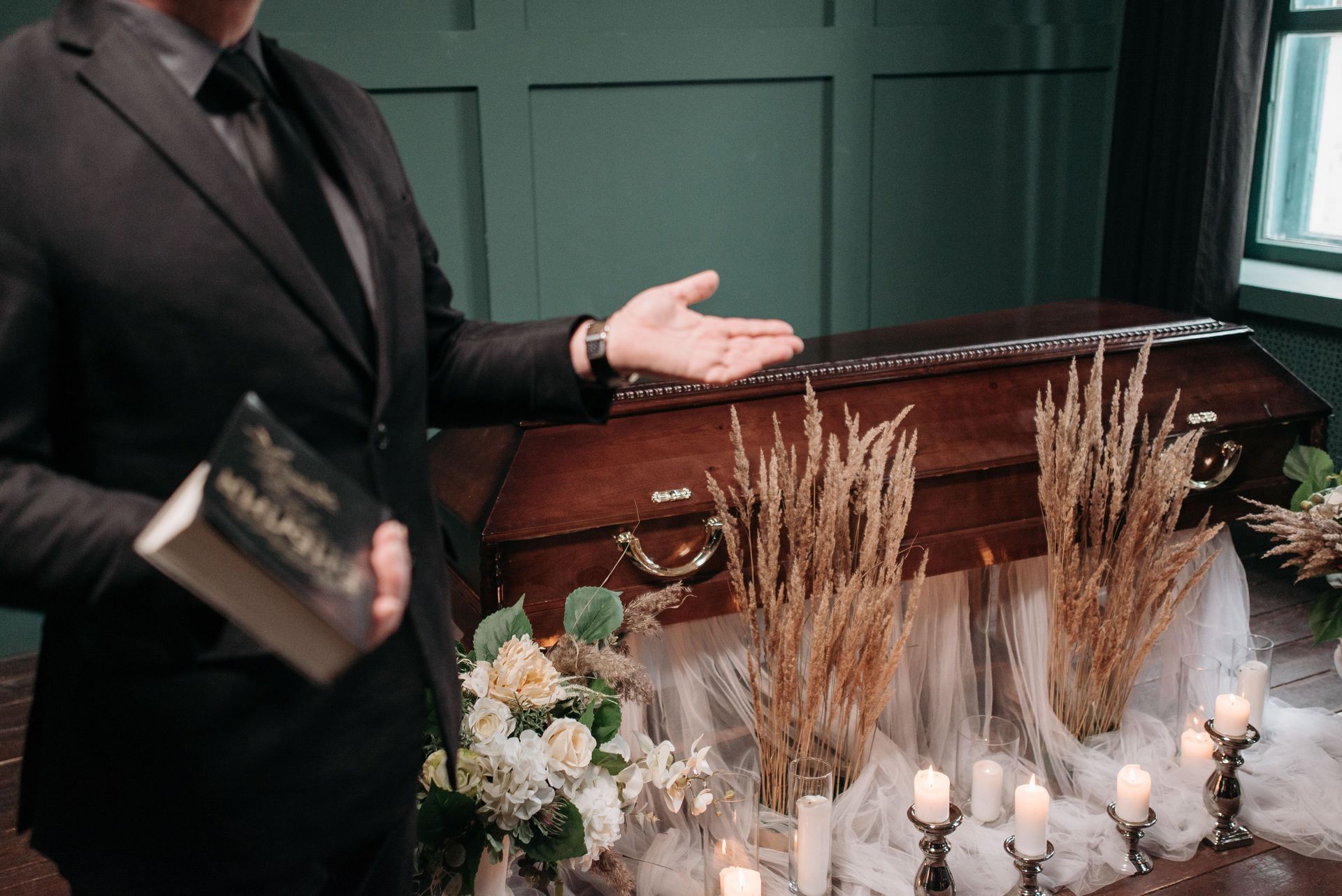
A witnessed cremation generally allows designated family members to be present for a specific part of the cremation process. The exact experience can vary according to the crematory's policies, facility, scheduling, and the arrangements a family selects. This is why we encourage families to ask what "witnessing" means when speaking with a provider rather than assuming that every crematory follows the same procedure.
For some families, witnessing is closely connected to cultural traditions, religious beliefs, or personal preferences. Others may simply want the reassurance of knowing where their loved one is and seeing that care is handled respectfully. The experience does not have to resemble a formal funeral service. It may instead be a quiet, private moment shared among a small number of relatives.
We also believe families should know what to expect before deciding to attend. A provider can explain where family members will be, which parts of the process they may observe, how long they should plan to be present, and whether there are limitations on attendance. Clear expectations can help families decide whether witnessing would be comforting and meaningful for them.
Why Some Families Choose It
There is no universal emotional response to witnessing. Some people value the opportunity because it creates a clear moment of farewell. Others prefer to remember their loved one in another setting and may find greater comfort in gathering with relatives later. We encourage families to make the decision based on their own needs rather than feeling that they are expected to participate.
Witnessing can also provide reassurance for people who have questions about what happens after their loved one enters the provider's care. Understanding the benefits of flexibility and simplicity can help families see that choosing a straightforward arrangement does not necessarily remove meaningful choices. There can still be room for personal preferences surrounding the farewell.
Family members should also talk openly with one another when possible. One person may want to witness while another does not, and those different reactions can coexist. We can respect individual comfort levels without requiring everyone to participate in the same way. A thoughtful decision gives each person room to grieve according to personal beliefs, emotional needs, and family traditions.
What Families Should Ask
Before choosing to witness, we recommend asking the cremation provider several practical questions. Families can ask whether witnessing is available, who may attend, whether attendance must be arranged in advance, and what portion of the process may be observed. Knowing these details beforehand helps prevent uncertainty on the day.
Families may also want to understand how identification is maintained throughout care. Asking whether the provider operates its own crematory, how identification is verified, and who is responsible for each stage can offer valuable reassurance. A witnessed experience is only one part of a larger process, so accountability from the time a loved one enters care until the cremated remains are returned remains important.
Our cremation service options include choices for families seeking different levels of gathering and farewell. When comparing providers, we encourage families to ask specifically whether a private family viewing or witnessed cremation is available within the arrangement they are considering. Clear answers allow families to make informed choices rather than finding out later that an option they expected is handled differently.
Preparing for the Experience
Preparation is both practical and emotional. Before attending, family members should understand what they will see and where they will be during the witnessed portion. A clear explanation from the care team can make the experience feel less unfamiliar and help each person decide whether participation is right for them.
We also suggest considering who genuinely wants to attend. Witnessing should be a personal choice rather than an obligation. Some relatives may find meaning in the experience, while others may prefer a private viewing, memorial gathering, or another form of remembrance. Families can support one another without expecting everyone to grieve in the same way.
Planning ahead can be especially helpful when witnessing reflects a religious or cultural practice. Families can discuss important customs with the provider before arrangements are finalized so everyone understands what can reasonably be accommodated. Even when there are facility or scheduling requirements, early communication gives the care team an opportunity to explain available choices. The goal is not to create a particular type of farewell, but to help families approach an important moment with realistic expectations, privacy, dignity, and support.
Other Meaningful Farewell Options
Witnessing is not the only way to create a personal goodbye. Families who decide not to attend may choose a private identification viewing, a memorial gathering, a celebration of life, or a personal remembrance held at a later date. Separating cremation from the memorial can provide time for relatives to travel, plan, and decide what type of gathering best represents the person they are remembering.
This flexibility can be valuable when family members live in different places or have different preferences. A meaningful tribute can be intimate or shared with a larger group. It can incorporate photographs, stories, music, keepsakes, favorite traditions, or other details that reflect the individual's life.
We encourage families to think about what will provide lasting meaning rather than feeling bound to one format. Witnessing may be deeply important for one family and unnecessary for another. Both choices can be respectful. When we understand the options available to us, we can choose a farewell based on personal values rather than assumptions about what cremation arrangements are supposed to look like.
Families deserve clear information when deciding how they want to say goodbye. Witnessing may provide reassurance or personal meaning, while private viewing and later memorial options can offer equally thoughtful ways to honor a loved one. Oklahoma City Cremation can explain the available choices and help families determine what fits their needs without placing pressure on them to choose a particular experience. Families considering direct cremation in Moore, OK can also benefit from planning cremation arrangements ahead, especially when witnessing, family participation, or other farewell preferences matter. Speak with our care team for clear guidance on the options available and choose the arrangement that feels most appropriate for your family.